
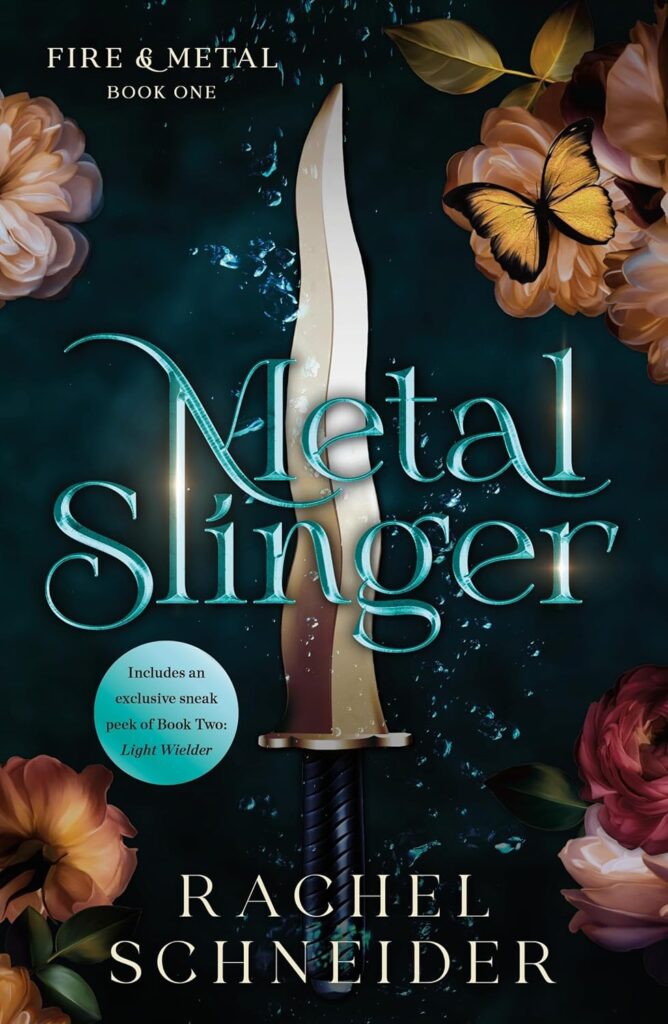
Overall, three stars.
Hook, four stars.
The hook lies in the tension between the physical and the social. The narrative immediately establishes high stakes: a group of outcasts, sequestered at sea for generations, attempting to navigate a precarious “Market” to find their first glimpse of land. This external urgency—the literal survival and curiosity of a people longing for soil—is layered with an internal tension regarding the “Rule of Boundaries.” The reader is pulled forward not just by the possibility of land, but by the risk of the characters being caught in a rigid, dangerous social structure that governs their every move. The transition from the physical goal to the intimate revelation at the end ensures the stakes remain personal as well as political.
Writing Style, three stars.
The prose is evocative and paced well, yet it occasionally retreats into summary rather than immersion. The description of the Kenta people relies on descriptors like “beautiful” and “rich colors”; while these effectively convey the narrator’s yearning, they function more as labels than as vivid renderings of a new culture’s aesthetics. Similarly, the sensory atmosphere of the market is presented through broad categories—the scent of “foods and spices”—which functions as a stage direction rather than a visceral experience for the reader.
The characterization is strongest when it is grounded in physical interaction. The distinction between Kai’s polished leadership and Messer’s boisterous charm is clear, and the contrast between their “copper” and “gold” hair provides distinct visual anchors. However, the narrative occasionally relies on internal monologue to state feelings—such as the narrator feeling “insignificant”—rather than allowing the weight of the towering cliffs or the scale of the crowd to communicate that vulnerability to the reader.
Standout Passage.
The moment Kai reveals he asked his parents for permission to choose Brynn at the Matching Ceremony. It is a masterful pivot where the narrative shifts from the external quest for land to an internal crisis of agency, forcing the reader to feel the weight of her history and the sudden, jarring reality of her future.