
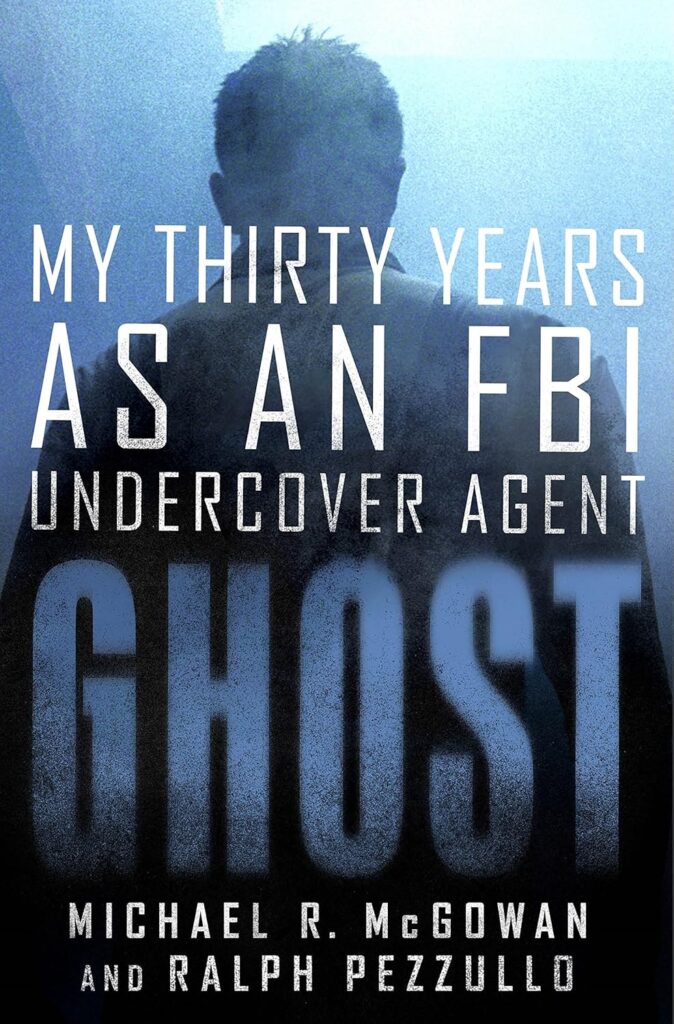
Overall, three stars.
Hook, five stars.
The hook lies in the jarring juxtaposition between the protagonist’s internal narrative of “perfection” and the sudden, cold intrusion of reality. The author builds an intimate portrait of a man whose life is defined by his role as a protector—both as a father and a high-achieving agent. This makes the transition at the evidence vault palpable; when the stranger asks, “What are you looking for?” it isn’t just a plot twist, it is a violent fracture in the character’s world. The stakes are immediately clear: he has moved from being the hunter to the hunted, and his domestic sanctuary—the “perfect” life of his wife and children—is now the very thing at risk.
Writing Style, two stars.
The prose has a persistent reliance on telling rather than rendering. Character traits arrive as declarations: his wife is “strong, kind,” he was the “Golden Boy,” his blood pressure “had shot so high”—status labels and clinical reports where sensory experience should be. The transition from domestic pride to the vault confrontation feels disjointed precisely because the prose reaches for summary instead of letting physical detail carry the weight.
The one moment that reaches for scent—”less than sweet-smelling shorts”—describes by negation rather than evocation. We learn what the smell is not, not what it is. Secondary characters throughout suffer similarly: defined by role and function rather than any visual distinction that would make them present on the page.
Standout Passage.
The interaction in the evidence vault where the stranger asks, “What are you looking for?” This moment functions as a masterclass in shift; it strips away the protagonist’s sense of authority and replaces it with a sudden, visceral vulnerability that forces the reader to experience his disorientation alongside him.