
Overall, two stars.
Hook, five stars.
The gauntlet of violence serves as a visceral, immediate hook; Jon’s survival hinges on his ability to endure physical brutality while navigating a culturally hostile environment. This creates an urgent situation where every step forward is a gamble against death, compelling the reader to see if he can survive the ritual and find safety within the longhouse.
Writing Style, three stars.
The prose leans toward reportage rather than rendering; instead of showing Jon’s exhaustion or fear through physical cues, the text states these emotions directly. Descriptions often rely on descriptors that provide information without painting a vivid picture, such as “unfriendly smiles” or “blood-soaked carcasses.” The lack of sensory depth—particularly regarding the atmosphere and scents of the encampment—creates a distance between the reader and the scene. While the narrative is clear and the pacing is steady, it lacks the evocative texture required to make the reader feel the grit and heat of the frontier.
Standout Passage.
The gauntlet sequence (“He was punched and kicked and beaten with sticks”): It captures the raw, physical toll of his situation, stripping away any romanticism of the wilderness and replacing it with a visceral sense of survival that makes the reader feel the weight of every blow.
Sensitivity, one star.
Several issues warrant attention. The most serious: Cholena is described as “no more than fifteen,” and the chapter depicts a sexual encounter with her that Jon frames as “sweet love.” Regardless of framing, this is statutory rape of a minor. The chapter also presents her as a gift assigned by the sachem — sexual property of the tribe to be given to the white visitor — which is a harmful colonial trope about Indigenous women. That she “seemed to enjoy it after the second time, or so he thought” does not resolve this; it compounds it.
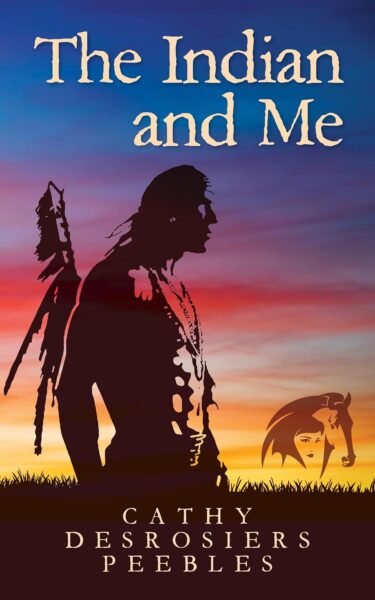
On terminology: Columbus was not in India. The Seneca are Indigenous people, or more specifically Haudenosaunee. “Indian” is a 500-year-old navigational error that many Indigenous people find reductive or offensive. The title “The Indian and Me” centers this error.
The chapter also deploys the “appearing as if by magic” trope — five Seneca men materialize from the forest without warning. This framing casts Indigenous people as supernatural or otherworldly rather than as people with ordinary skills and knowledge of their own land. Similarly, Jon’s curiosity about whether Cholena’s body is “different from other women” is fetishization, not characterization. And describing the Seneca’s treatment of strangers as “unholy” imposes a Christian moral framework on a non-Christian culture.
The gauntlet itself has historical basis among the Haudenosaunee as a ritual of adoption and testing — not simply brutality — but the chapter provides no cultural context for it, leaving it to read as savagery.