
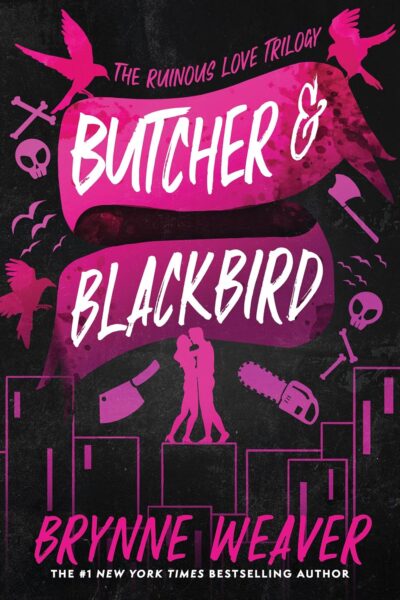
Overall, four stars.
Hook, five stars.
The irony of two serial killers—predators turned prey—forced into a shared cage creates an immediate, high-stakes tension. The shift from Sloane’s visceral internal monologue to Rowan’s sudden appearance establishes an intriguing power dynamic. We are not just watching a prisoner; we are watching the collision of two monsters in a desperate, claustrophobic space, making their interaction impossible to ignore.
Writing Style, three stars.
The prose shines in its use of specific imagery, notably the “orzo pasta” simile which renders the grotesque with striking clarity. However, much of the setting and character detail relies on condition-labels like “bloodied,” “grimy,” and “fly-riddled,” which signal a state rather than painting a visual texture. Furthermore, the olfactory elements are presented as bare nouns—”stench of decay”—requiring the reader to fill in the sensory gaps from memory. While Rowan is physically distinct with his scarred lip and specific hair, Sloane’s presence occasionally feels hollowed out by these naming shortcuts.
Standout Passage.
The “orzo pasta” simile for the maggots. This moment succeeds because it creates a visceral, almost surreal image that captures the grotesque reality of decay without relying on standard tropes of rot, forcing the reader to see the horror in high definition.