
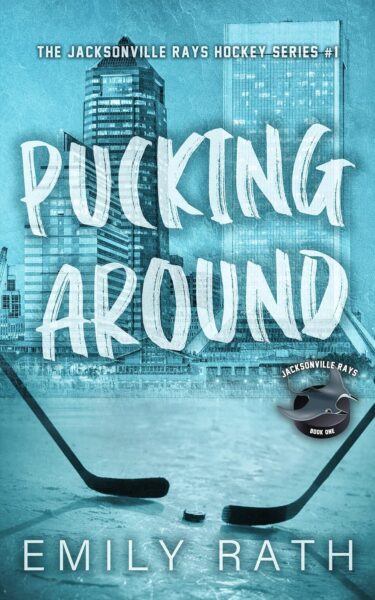
Overall, three stars.
Hook, three stars.
The transition from Rachel’s “shattered” career and hungover isolation to the sudden, unexpected windfall of the Barkley Fellowship provides a clear narrative arc. However, because the news is delivered via a phone call rather than an immediate, high-stakes physical conflict or ticking clock, the hook functions more as a plot pivot than a desperate, unresolved situation that would force the reader to keep turning.
Writing Style, two stars.
The prose leans heavily on labels rather than rendering. Descriptions like “smokin’ hot” and “pear-shaped” are shorthand tropes that fail to paint a specific image of Tess; they tell the reader what to think instead of showing her physical presence. Additionally, the absence of sensory textures—specifically scent—leaves the setting feeling hollow. Characterization is frequently delivered through internal monologue (telling) rather than action. For example, Rachel’s feelings about her career and her “Mystery Boy” are explained directly to the reader rather than being revealed through her behavior or specific, vivid imagery.
Standout Passage.
The moment she realizes the fellowship involves hockey—specifically “men play with literal knives strapped to their feet.” This brief, visceral image effectively captures the high-stakes intensity of her professional dream and her immediate shift from stunned disbelief to a tangible sense of excitement.