
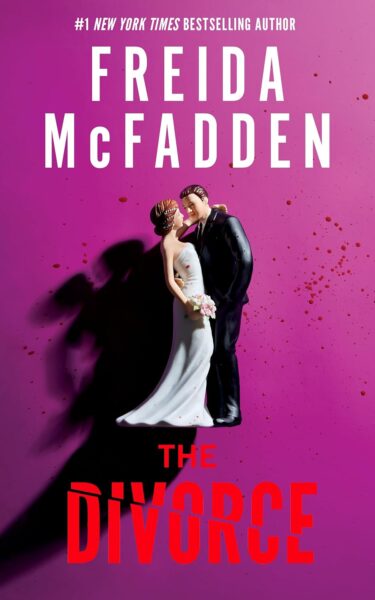
Overall, four stars.
Hook, four stars.
The escalating transition from a mundane malfunction to an intentional, unsettling barrier—the “new” lock and the husband’s evasive silence—creates a palpable sense of dread. This shift from a simple inconvenience to a pointed suspicion provides an urgent hook that compels the reader to uncover why the home has suddenly become a site of hidden conflict.
Writing Style, three stars.
The prose is clear, but it occasionally favors labels over sensory rendering. Describing objects as “new” or “broken” tells the reader the condition rather than painting the specific texture or visual quality of those items. While Jeremy is grounded in physical detail, the narrative sometimes relies on stated character traits—such as his status as a “great father”—rather than allowing his actions to convey it. Furthermore, a lack of atmospheric depth and sensory variety keeps the setting from feeling fully immersive despite the high stakes.
Standout Passage.
The moment the narrator notices the lock is “shinier” than it should be—a sharp pivot where the mechanical frustration of the garage door transforms into the visceral realization that her environment has been altered without her consent. It successfully shifts the tone from a domestic inconvenience to a chilling mystery.